
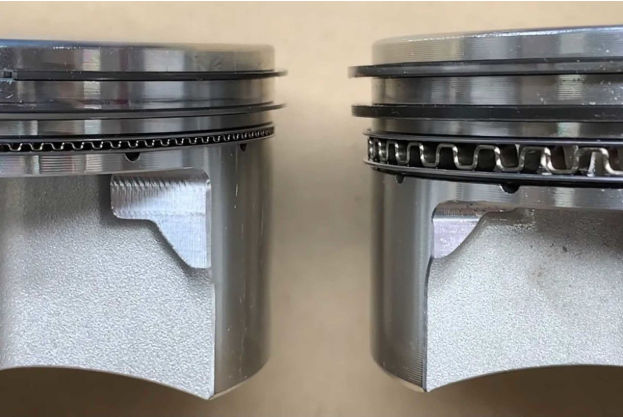


Choosing the right components for your engine can make all the difference. Among these, piston rings play a crucial role in ensuring performance, efficiency, and longevity. Stainless steel piston rings have become increasingly popular due to their durability and resistance to wear. Understanding the factors that influence their performance helps you make informed choices.
Material Quality and Composition
Material quality is the foundation of piston ring performance. Stainless steel piston rings are crafted from high-grade alloys designed to resist corrosion and withstand extreme temperatures. The composition of the steel affects hardness, flexibility, and overall lifespan. Opting for rings with superior material quality ensures they can handle high-pressure environments without warping or failing. Investing in high-quality stainless steel piston rings prevents premature wear and protects your engine in the long run.
Dimensional Accuracy and Fit
A perfect fit is critical for engine efficiency. Piston rings must match the cylinder dimensions precisely. Even a minor deviation can cause compression loss or increased oil consumption. Accurate manufacturing ensures consistent contact between the rings and cylinder walls. Stainless steel piston rings are available in precise tolerances, which maintain optimal sealing and prevent leaks. Properly fitting rings maximize engine performance while reducing unnecessary friction.
Steel Piston Rings Coating and Surface Treatment
Surface treatment enhances durability and reduces wear. Many stainless steel piston rings undergo coatings or surface hardening processes. These treatments improve resistance to heat, friction, and corrosion. Rings with advanced coatings maintain smoother contact with cylinder walls and reduce the risk of scoring or sticking. Choosing stainless steel piston rings with reliable surface treatments can significantly extend maintenance intervals and engine life.
Compression and Tension Requirements
Compression rings must maintain proper pressure to seal the combustion chamber. Tension in the rings affects both compression and oil control. Stainless steel piston rings are engineered to retain their shape under stress, providing consistent pressure throughout the engine’s operating range. Evaluating the compression and tension specifications helps ensure that the rings deliver optimal sealing without causing excessive wear. Correctly matched rings improve combustion efficiency and prevent performance drops.
Heat Resistance and Thermal Expansion
Engines generate intense heat, and piston rings must endure high temperatures without losing integrity. Stainless steel offers excellent heat resistance compared to standard carbon or cast iron rings. Understanding thermal expansion properties is crucial because expansion affects ring clearance and engine efficiency. Rings that maintain stability under varying temperatures minimize the risk of scuffing and maintain a tight seal. Selecting stainless steel piston rings designed for thermal stability ensures reliable performance even in demanding conditions.
Durability and Long-Term Maintenance
Durability is a deciding factor when investing in piston rings. Stainless steel piston rings offer long-term reliability due to their resistance to wear, corrosion, and fatigue. Fewer replacements and lower maintenance requirements make them a cost-effective choice over time. Engines equipped with durable rings experience fewer breakdowns and maintain consistent power output. Prioritizing durability helps balance upfront costs with long-term savings.
Conclusion
Choosing the right stainless steel piston rings requires attention to material quality, fit, surface treatment, compression, heat resistance, and durability. Each factor plays a role in ensuring efficient engine performance and extended lifespan. By carefully evaluating these aspects, you can select piston rings that not only fit perfectly but also withstand the challenges of high-performance operation. Investing in high-quality stainless steel piston rings ultimately protects your engine, enhances reliability, and reduces long-term maintenance costs.