
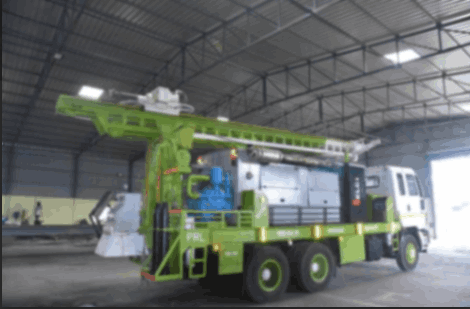

Investing in water well drilling equipment requires careful evaluation of cost versus performance. Water well drilling rig prices can vary significantly depending on design, capabilities, and features. Understanding the factors that influence pricing is essential for project planning, ensuring that your budget aligns with operational needs without compromising quality. From machine specifications to supplier reliability, each element plays a critical role in determining the total investment.
This guide explores key considerations to help businesses, contractors, and engineers make informed decisions when acquiring drilling rigs.
Rig Type and Drilling Capacity Affect Pricing
The type of rig selected directly impacts both upfront costs and operational efficiency. For example, rotary rigs are versatile and widely used, but rigs with hydraulic systems may come at a premium due to enhanced automation and precision.
- Variety of rig types: Rotary, hydraulic, and percussion rigs each come with distinct pricing structures.
- Operational depth: Deeper drilling capacities demand robust engineering, increasing costs.
- Portability versus size: Mobile rigs are more affordable but offer limited capacity; larger rigs provide efficiency at a higher investment.
Technological Features and Automation
Modern rigs often incorporate technological enhancements that increase their price but offer tangible long-term benefits. Automation reduces manual labor and operational errors, while sophisticated monitoring tools help track performance and maintenance needs.
- Automation levels: Advanced rigs include digital monitoring and remote control capabilities.
- Safety systems: Integrated safety mechanisms add value and reduce long-term risk.
- Efficiency upgrades: Energy-efficient engines and optimized drilling systems improve productivity.
Material Quality and Structural Durability
Material selection and engineering quality are major contributors to drilling rig prices. Investing in a robust, well-engineered rig ensures consistent productivity and reduces long-term expenses associated with downtime and repairs.
- Construction materials: High-strength steel and corrosion-resistant components extend rig lifespan.
- Maintenance considerations: Durable rigs require less frequent repairs, reducing lifecycle costs.
- Environmental resilience: Rigs built for harsh conditions ensure uninterrupted operations.
Supplier Reputation and After-Sales Support
The choice of supplier or drilling rig exporter can significantly impact total project costs. Reputable providers offer transparent pricing, certified machinery, and professional support, ensuring that your investment remains secure.
- Reliable sourcing: Partnering with experienced manufacturers or exporters ensures quality compliance.
- Spare parts availability: Easy access to components minimizes operational delays.
- After-sales services: Training, installation, and maintenance support add value to the investment.
Market Factors and Regional Pricing Variations
Market dynamics play a subtle but important role in determining drilling rig prices. Understanding regional cost variations, global supply chain impacts, and technology-driven price shifts helps buyers plan budgets accurately and avoid unexpected expenditures.
- Local vs. international sourcing: Import duties, taxes, and logistics affect final costs.
- Market demand fluctuations: High demand periods can temporarily increase rig prices.
- Technological advancements: New innovations may influence pricing trends over time.
Final Thoughts
Understanding the multifaceted factors behind water well drilling rig prices enables professionals to make strategic investments without compromising operational needs. Evaluating rig type, technological features, material quality, supplier reliability, and market trends ensures a balanced approach that optimizes both performance and cost.
For those seeking high-quality, innovative drilling solutions with professional guidance, Prime Rigs provides access to durable machinery and expert support, making complex water well projects more efficient and cost-effective.

